

I. What Needs to be Prepared Before Building the Second Floor?
Before starting the second floor, players need to complete foundation planning and material stockpiling. Choose block types corresponding to the architectural style. For a wooden villa, it’s recommended to use woods of different colors like birch and spruce to create distinct layers. For a modern villa, consider combining white concrete with glass. It’s advisable to sketch a blueprint in advance to define the building’s outline and functional zone divisions, avoiding frequent mid-construction modifications.
II. How to Construct the Main Structure of the Second Floor?
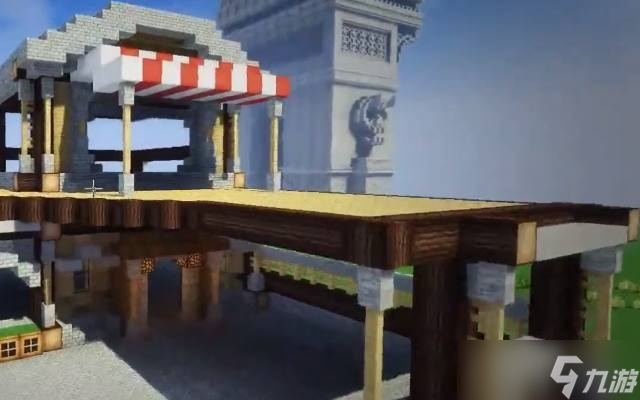
1. Building the Frame
Erect 4-block high pillars at the four corners of the first floor’s ceiling. The pillar material should contrast with the main walls. For example, if the first floor uses stone bricks, the second-floor frame could use dark wood. Connect the tops of the frame with horizontal blocks to form a railing structure, remembering to reserve space for windows and the stairway passage.
2. Laying the Floor
Fill the interior of the frame with flooring material. Using a different color from the first floor’s ceiling is recommended. If the first floor uses oak planks, the second floor could use birch planks to create a color contrast.
III. What are the Key Points in Stair Design?
- Indoor Stairs: The most common is a straight staircase structure, with a width of at least 2 blocks and step height differences controlled within 0.5 blocks. Birch wood stairs paired with oak slabs can be used to create a non-slip texture.
- Spiral Stairs: Built in a corner area using stair blocks spiraling upwards. This design has a small footprint and is decorative, suitable for European-style architecture.
- External Stairs: Cantilevered stairs built against an exterior wall, supported by pillars at the bottom. Suitable for beach houses or modern-style buildings.
IV. How to Handle Second-Floor Walls and Windows?
When filling in walls, pay attention to the window-to-wall ratio. It is recommended to reserve 30%-40% of each wall’s area for windows. Window style options include:
- Floor-to-Ceiling Windows: Use glass panes extending from the ceiling to the floor, paired with iron bars as window frames.
- Bay Windows: Extend the wall outward by 1 block, install glass on three sides, and decorate the base with flower pots.
- Stained Glass Windows: Create geometric patterns using stained glass to add an artistic touch.
V. Core Roof Design Techniques
1. Gable Roof
Build stair blocks stepping upwards from both sides towards the center, sealing the top edge with upside-down stairs. It’s suggested that the roof color contrasts with the walls, e.g., a dark roof with light-colored walls.
2. Terrace Design
Convert part of the area into an open platform, with railings around the edges and hanging lanterns or lights from the top. Suitable for viewing decks or outdoor lounge areas.
VI. Suggestions for Interior Functional Zoning
- Bedroom Suite: Place a bed, storage chests, and an enchantment table, complemented by carpets and paintings.
- Study Area: Create a study space with bookshelves, a crafting table, and flower pots.
- Viewing Corridor: Set up a corridor along the windows, lay red carpet on the floor, and hang item frames on the walls.
VII. Solutions to Common Problems
- Insufficient Lighting: Add skylights or embed glowstone into walls for illumination.
- Cramped Space Feeling: Increase the ceiling height to 5-6 blocks and use glass extensively on the walls.
- Monotonous Structure: Break up the uniform layout with features like overhanging balconies or asymmetrical windows.
VIII. Advanced Decoration Techniques
Use pixel art on walls by creating patterns with different colored wool or terracotta. Replace balcony railings with banners for decoration. Hang vines from roof edges. For modern villas, add特色 structures like swimming pools or helipads.
IX. Fire Prevention and Safety Precautions
For wooden structures, dig a 2-block wide firebreak around the building. Ensure interior lighting by placing torches or lanterns at least every 5 blocks to prevent monster spawning in dark corners.
By using a systematic zoning construction method—completing the frame first and then gradually filling in the details—even beginners can complete an elaborate two-story building within 3-4 hours. The key lies in preliminary planning and material coordination. It’s recommended to frequently real-world architectural design elements.


